How to Transition to Raw Food
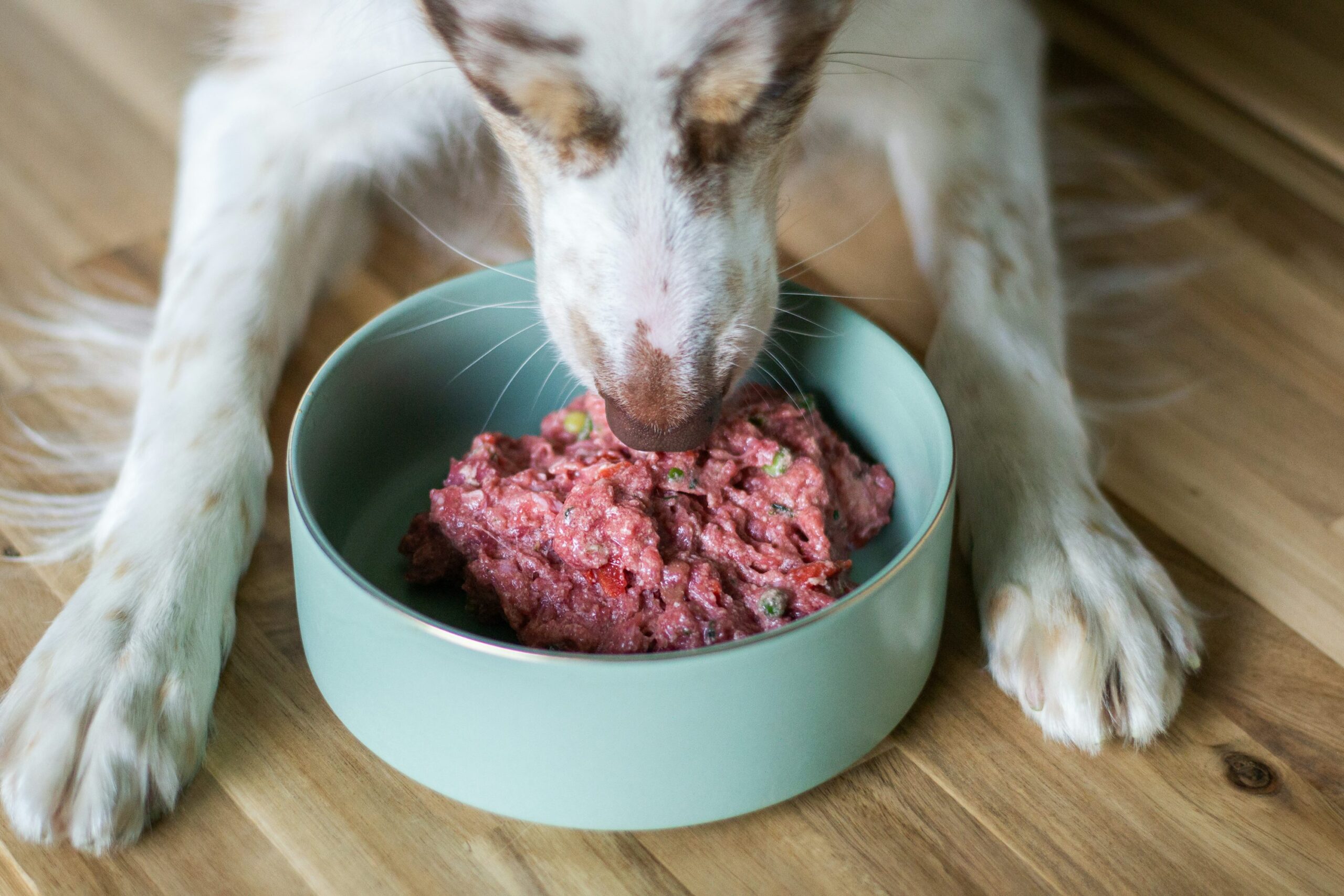
Switching your dog’s diet can feel like a big step, especially when moving from traditional kibble to fresh, raw feeding. The good news is that thousands of owners have made the transition with incredible results, from shinier coats to improved digestion and higher energy levels. The key is to approach the process gradually, with care and consistency, so your dog can adapt comfortably.
Why Transition Slowly?
A dog’s digestive system adapts to what it regularly eats. If your pet has been eating kibble for years, suddenly switching to raw food may overwhelm their stomach. By transitioning gradually, you allow their gut to adjust to the new enzymes and proteins in raw food, reducing the chances of upset stomachs or diarrhoea.
Step 1: Choose the Right Starter Meals
When introducing raw food, it’s best to start with simple proteins such as chicken or turkey. These are easy to digest and gentle on the stomach. Avoid mixing too many proteins at once in the early days.
Step 2: Begin with a Mix
Start by replacing one meal per day with raw food, while keeping the other meal as kibble. Over the course of a week, increase the number of raw meals. By week two, your dog could be on 100% raw food. Some dogs adapt faster, but it’s always safer to go slowly.
Step 3: Monitor Closely
Keep an eye on your dog’s stools, energy levels, and coat condition. Softer stools in the first few days are normal, but they should quickly firm up. You might also notice your dog drinking less water, which is natural because raw food contains higher moisture levels.
Step 4: Introduce Variety
Once your dog has adjusted, start introducing new proteins such as beef, lamb, or fish. A variety of meats ensures they get a balanced range of nutrients and prevents fussy eating habits.
Step 5: Stay Consistent
Dogs thrive on routine. Stick to set feeding times and don’t panic if they turn their nose up at raw food for a day or two. Persistence pays off, and once they adapt, most dogs never look back.
Common Concerns
Bones: Raw bones are safe and provide calcium, but cooked bones are dangerous and should be avoided.
Bacteria: Quality raw food brands are DEFRA registered and lab-tested to ensure safety.
Cost: Raw feeding is often comparable in price to high-quality kibble, but the long-term health benefits can save on vet bills.
Final Thoughts
Transitioning to raw food is one of the best decisions you can make for your dog’s health and happiness. With patience and the right approach, your pet will thrive on a diet that is closer to what nature intended.
Duis ut diam quam nulla porttitor id massa neque. Cursus mattis molestie aic aulis at. Adipiscing bibendum est ultricies integi luctus venenatis lectus magna fringilla urna porttitor. Pulvinar cras mattis nunc sed. Turpis massa sed elemen um tempus don egestas sed. Dui sapien eget mi proin. Penatibus et magnis parturient dis montes nascetur ridiculus mus mauris. Fusce ut sedo placerat pellentesque orci nulla dign ssim. Netus et mia suada fames ac turpis egestas maecenas. Turpis ege tas maecena a pharetra convallis posuere morbi leo urna molestie. Suspendisse ultrices gravida dictum fusce ut placerat orci. Ornare massi eget egestas purus viverra accumsan in nisl nisi. Blandit volutpat maecenas.
Leave a Reply